Before building electric freight infrastructure, Bronx Is Breathing made community input part of the plan.
Overview
Every day, trucks complete more than 15,000 trips across the Hunts Point section of the Bronx, carrying produce, seafood, meat, municipal waste, building materials and other goods that help supply New York City. The neighborhood includes one of the country’s most important wholesale food distribution centers, and residents have long borne the effects of heavy truck traffic, diesel emissions and elevated asthma rates.
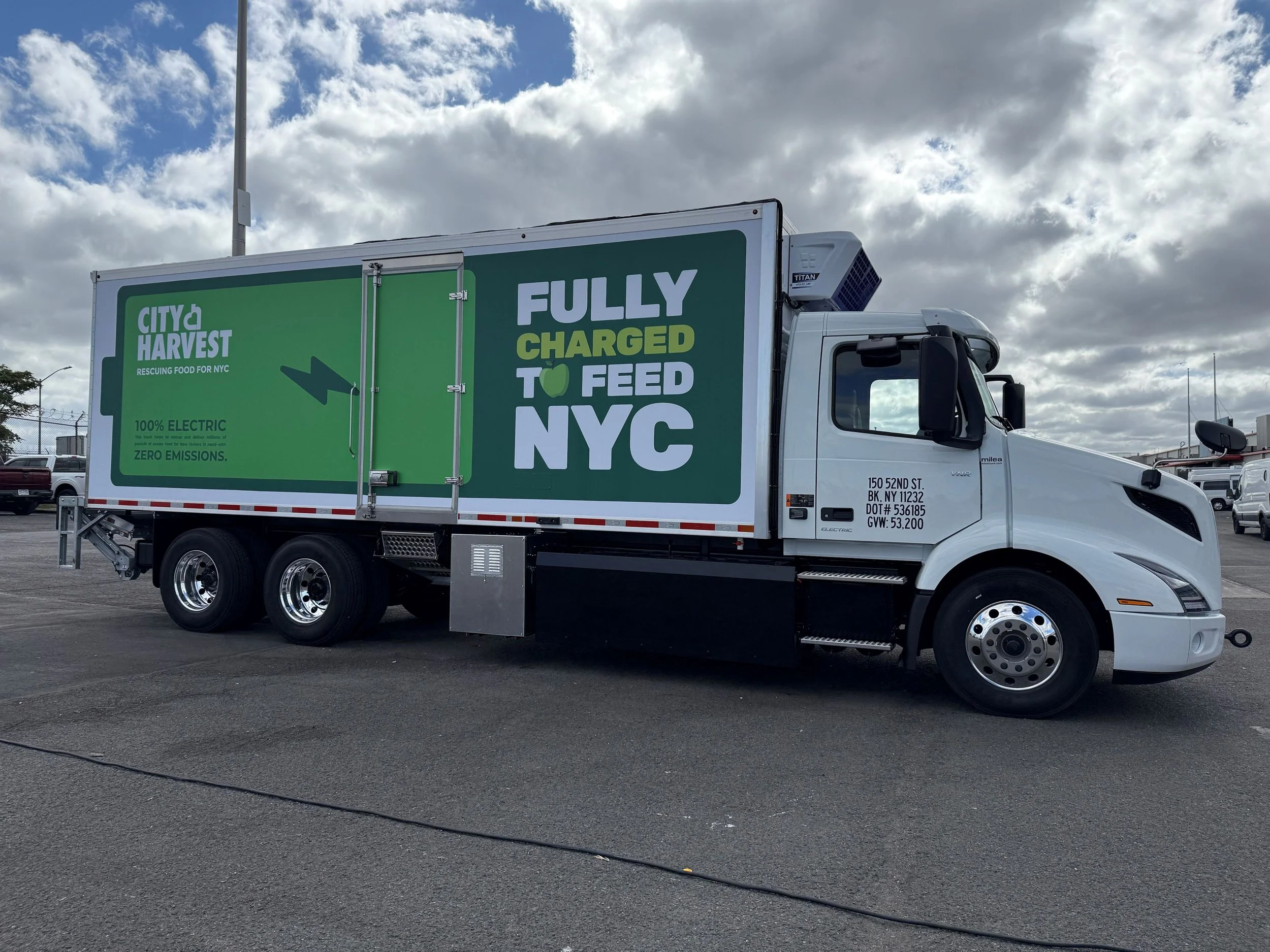
Hunts Point’s role in New York’s economy makes it a critical proving ground for electric truck operations. Its dense concentration of fleets, warehouses and distribution facilities creates an opportunity to demonstrate how electric trucks can operate in one of the nation’s most demanding commercial transportation environments while also reducing emissions.
Supported by a $10 million New York Clean Transportation Prize, Bronx Is Breathing: Reimagining a Cleaner Hunts Point was created to turn that opportunity into a coordinated transition.
At the center of the effort is a planned public charging hub at the Hunts Point Food Distribution Center, expected to include 32 DC fast chargers, trailer-accessible charging for Class 8 trucks, Level 2 charging, and a welcome center and workforce development hub.
Yet the project’s most significant innovation is not the trucks or the charging equipment itself. It is the process used to ensure that the transition to electric freight reflects the needs and concerns of the residents, workers, fleets and businesses that will rely on it every day.
The Challenge
The project had to fit a large, high-powered freight charging hub into a neighborhood where industrial activity, homes, schools and parks exist side by side. Its design needed to accommodate trucks and trailers without worsening traffic, displacing scarce parking or creating new burdens for residents. That made early community guidance essential to decisions about siting, access, routing and amenities.
The project also needed to work for fleets with very different operating models and resources. Large operators may have the capital and technical expertise to plan an electric transition, while smaller businesses and independent fleets face greater barriers related to vehicle costs, charging access and financing.
Selected through a competitive RFP process to develop, own and operate the hub, MN8 Energy took on the project with no direct precedent: brownfield remediation, charging sized for Class 8 duty cycles, utility upgrades and permitting across federal, state and city agencies, all advancing in parallel while the site plan stayed open to community and fleet input.
The challenge was not simply building charging infrastructure. It was creating a project that fleets would use, the community would benefit from, and developers could deliver on while keeping the design flexible enough to respond to community and operational feedback.
The Solution
Volvo, MN8 and the broader Bronx Is Breathing coalition made local decision-making and guidance a project imperative from the beginning, enabling neighborhood priorities and fleet needs to shape the charging hub before key decisions were finalized.
Establishing community governance. The project created steering and advisory committees that brought together residents, community organizations, businesses, fleets, Con Edison, public agencies and elected officials to provide input on the charging hub site plan, community benefits, vendor recruitment, workforce programming and public engagement. Local partners—including The POINT Community Development Corporation, Greater Hunts Point Economic Development Corporation, Empire Clean Cities, Public Works Partners, and Barretto Bay Strategies—proactively helped translate community priorities into decisions about the site plan, workforce programs and community benefits, rather than requiring residents and businesses to navigate an unfamiliar infrastructure development process on their own.
“From the very beginning, the Bronx is Breathing embraced the environmental justice agenda that has defined The POINT for more than 3 decades. In turn, those underlying principles and practices have shaped The Bronx is Breathing and today it has become a national model for EJ communities seeking solutions to high volumes of diesel trucking cross-crossing dense residential neighborhoods.”
Maria Torres, President & COO, The POINT CDC
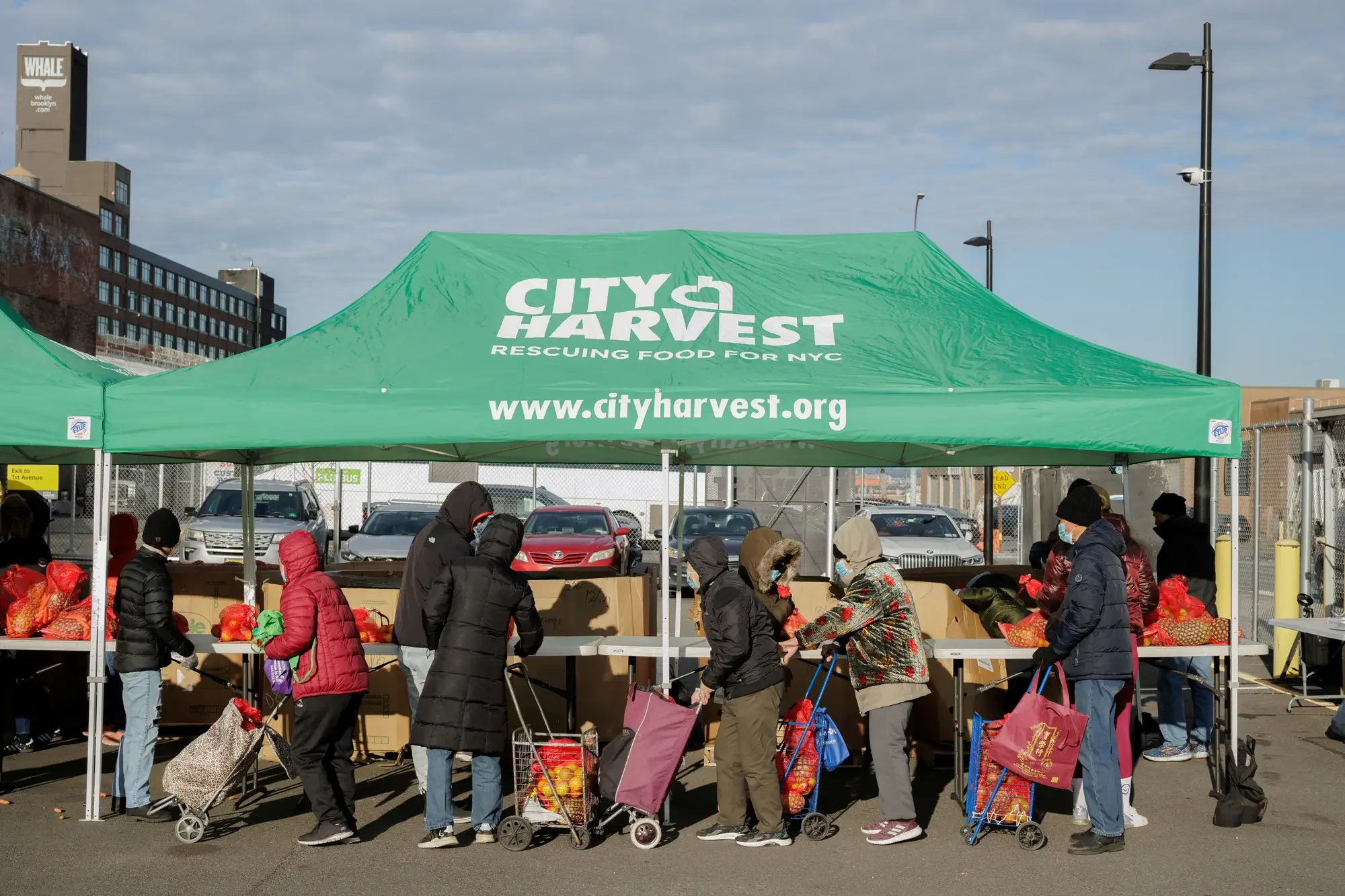
Listening before designing. Workshops, listening sessions and site visits moved the conversation from broad support for cleaner air to practical decisions about implementation. Residents raised concerns about truck routes, parking and nearby homes, while fleets provided input on access, charging schedules and operating needs. At one session, fleets, residents, and project developers mapped potential locations, freight routes and areas where new infrastructure would or would not fit.
Those discussions did more than surface concerns; they shaped the project itself. Input from public meetings led to the creation of a community benefits framework and vendor recruitment strategy to guide the project through development, construction and operation, while also influencing plans for the welcome center and workforce development hub, including classrooms, employment resources, shared space and amenities for drivers and community members."The Fulton Fish Market Cooperative deeply values thoughtful approaches to freight, especially those that reduce impacts on the environment. Refrigerated electric trucks from Mack will enable Hunts Point businesses to trim their carbon impacts and cut fueling costs without materially changing how they deliver for their customers. In a hyper competitive environment like NYC, that's especially important. We can't afford to sacrifice performance for environmental benefit. The current generation of electric truck technology eliminates the need to choose between the two."
Richard Klein, Board President, Fulton Fish Market Cooperative
Making the technology tangible. Community confidence cannot be built through presentations alone. Ride-and-drive events, CDL workshops, and EV technical workshops gave fleets, workers and residents firsthand exposure to electric trucks. Participants learned about vehicle operations, charging, maintenance, safety, commercial driver’s license requirements and related jobs, helping build familiarity and confidence before broader deployment.
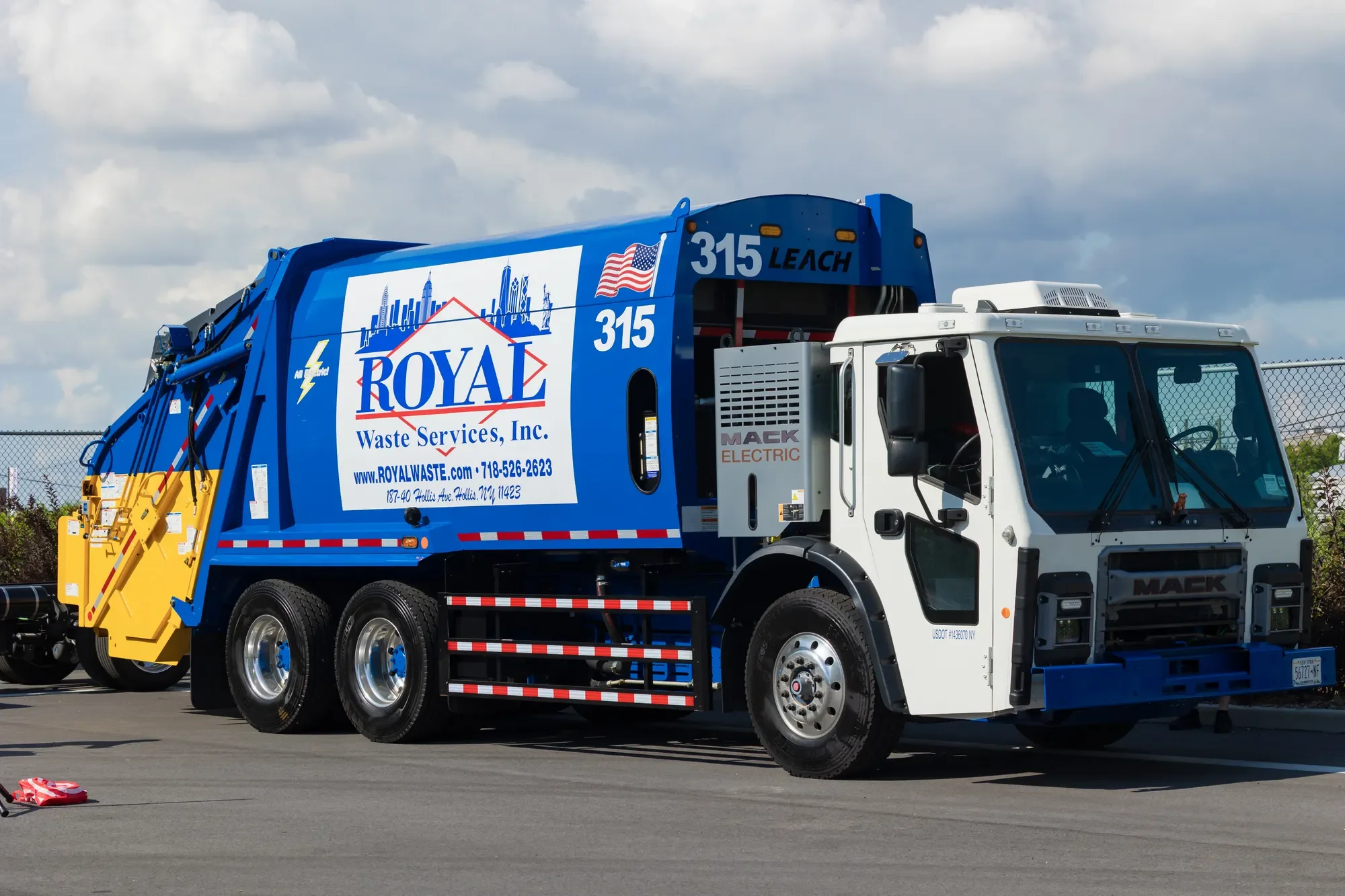
Connecting trucks, charging and operations. Volvo and Mack Trucks’ electric truck deployments and MN8’s shared charging hub were planned as parts of the same system. Early fleet engagement helped MN8 design around expected demand, vehicle types and operating schedules, while coordination with Con Edison and government agencies advanced the utility upgrades and approvals needed to build and energize the site.
Designing for the fleets that need it most. The barrier to electrification is steepest for the small and independent operators that make up a significant portion of Hunts Point’s freight activity, and MN8 built its operating model around them. Food Distribution Center tenants will receive discounted charging rates. Fleets weighing the transition to electric get planning support and help navigating grant funding. The hub is designed to serve the full range of operators working in Hunts Point, not only those already equipped to electrify.
Project Snapshot
32 planned DC fast chargers, including Class 8 trailer-accessible stalls
10 planned Level 2 chargers
12,500 square feet of welcome center and workforce space
6 community steering and advisory committees guiding implementation
9 listening sessions, fleet education, ride-and-drives or workforce trainings conducted before construction
The Results
Bronx Is Breathing has established a formal role for residents, businesses, health organizations and community advocates in planning the charging hub. Their input has informed decisions about charging locations, truck access, parking, workforce programs and community amenities, while helping shape a community benefits framework intended to guide the project through construction and operation.
Just as importantly, the initiative has transformed community engagement from a one-time outreach effort into an ongoing component of project development. By involving stakeholders before major design decisions were finalized, the project created opportunities to address concerns early, incorporate local knowledge and build trust among groups that do not always participate in infrastructure planning processes.
The process has also helped build awareness and readiness for freight electrification among fleets, workers and residents.
“With all the asthma and the highway pollution, [the initiative] will be good, especially for our kids.”
Geraldine Williams, Hunts Point resident
Community priorities are now reflected in plans that combine freight charging with workforce training, employment resources, commercial amenities and shared community space.
The project is also helping prepare the local workforce for emerging transportation technologies. Through ride-and-drive events, technical workshops and CDL training programs, participants have gained firsthand exposure to electric truck operations and related career pathways. In January 2026, the first participant in the Path to CDL workshop series earned a commercial driver’s license—an early milestone demonstrating how workforce development is being integrated into the project alongside infrastructure planning.
Developers, fleets and community partners now have a stronger understanding of local operating conditions, charging needs and implementation challenges before construction begins.
While the charging hub remains under development, Bronx Is Breathing has already demonstrated the value of investing in community engagement, fleet education and workforce preparation during the earliest stages of project delivery. Those activities have helped establish relationships and processes that can reduce implementation risks, strengthen local participation, support long-term project success, and a model for effective and successful public-private partnerships.